More | Keeley
-1
archive,category,category-more,category-1,wp-theme-bridge,bridge-core-3.0.8,qode-page-transition-enabled,ajax_fade,page_not_loaded,,qode-title-hidden,qode_grid_1400,qode-theme-ver-29.5,qode-theme-bridge,wpb-js-composer js-comp-ver-6.10.0,vc_responsive

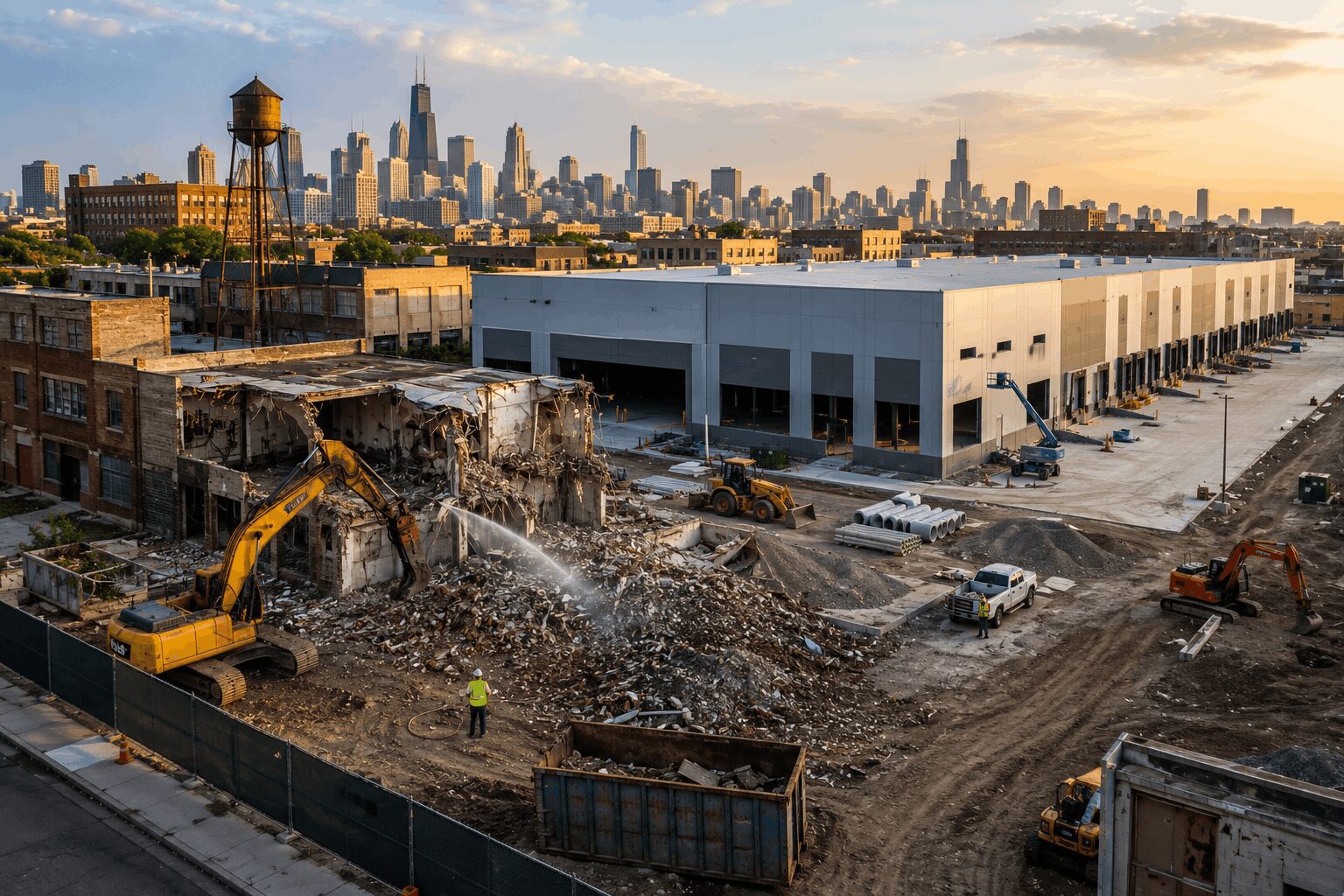
[vc_row css_animation="" row_type="row" use_row_as_full_screen_section="no" type="full_width" angled_section="no" text_align="left" background_image_as_pattern="without_pattern"][vc_column][vc_empty_space height="50px"][vc_column_text]Infill industrial properties can offer major advantages. They may sit close to Chicago’s population, workforce, interstate network, customers, rail infrastructure, and established utilities. For logistics, manufacturing, service, and technology users, that proximity can be difficult to reproduce...

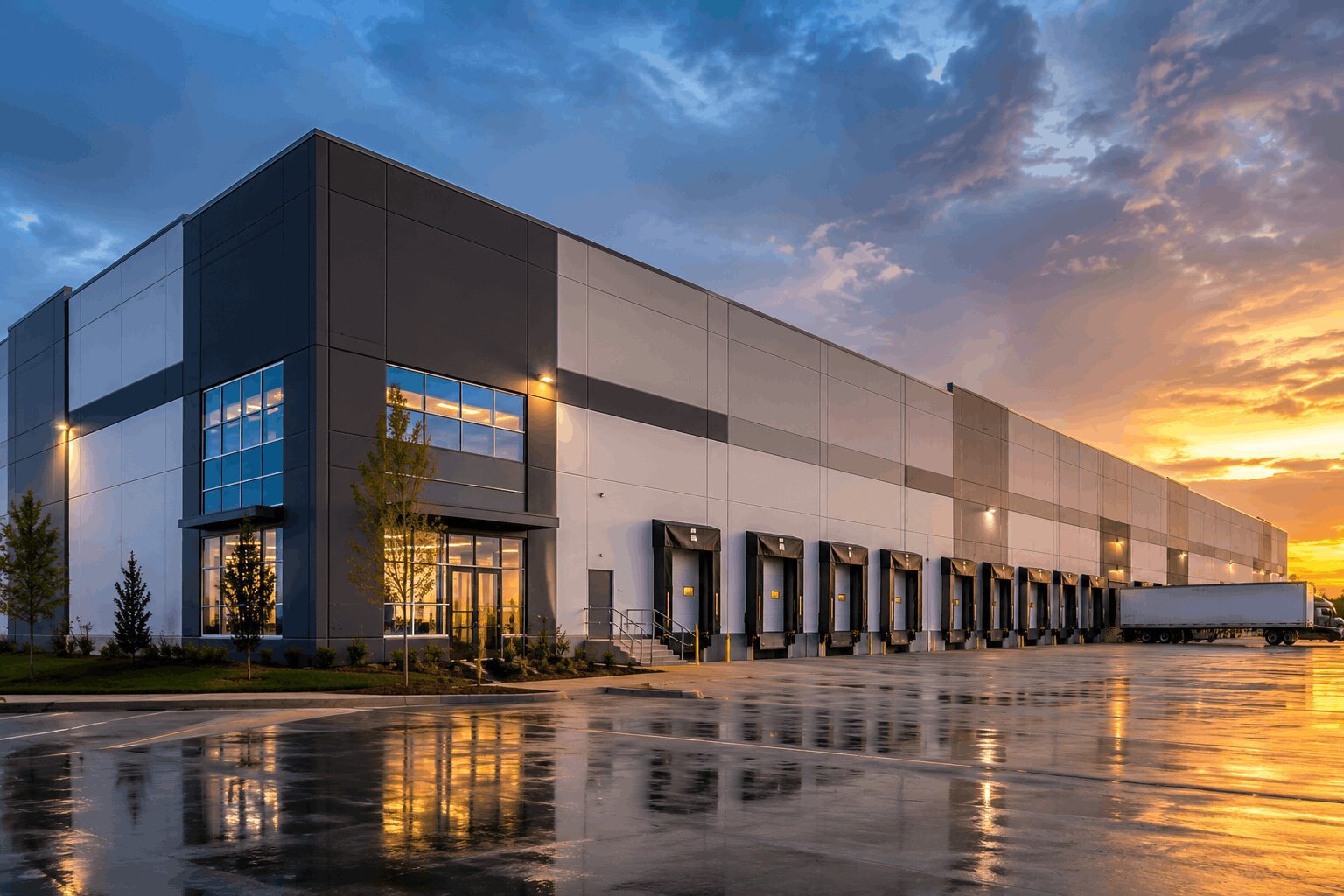
[vc_row css_animation="" row_type="row" use_row_as_full_screen_section="no" type="full_width" angled_section="no" text_align="left" background_image_as_pattern="without_pattern"][vc_column][vc_empty_space height="50px"][vc_column_text]Completing construction does not automatically mean an automated distribution center is ready to operate. The building may be enclosed, inspected, and visually finished, but conveyors, scanners, robotics, storage systems, controls, software, security, fire protection, mechanical equipment, and...

[vc_row css_animation="" row_type="row" use_row_as_full_screen_section="no" type="full_width" angled_section="no" text_align="left" background_image_as_pattern="without_pattern"][vc_column][vc_empty_space height="50px"][vc_column_text]Industrial owners and developers often face an early strategic decision: should the project create a flexible speculative warehouse for future tenants, or should it be designed around the needs of a specific operator? Both models can succeed...

[vc_row css_animation="" row_type="row" use_row_as_full_screen_section="no" type="full_width" angled_section="no" text_align="left" background_image_as_pattern="without_pattern"][vc_column][vc_empty_space height="50px"][vc_column_text]A manufacturing expansion is meant to increase capacity, improve efficiency, or support new products. Yet the construction required to achieve that growth can place the existing operation under significant pressure. Most manufacturers cannot shut down for several...

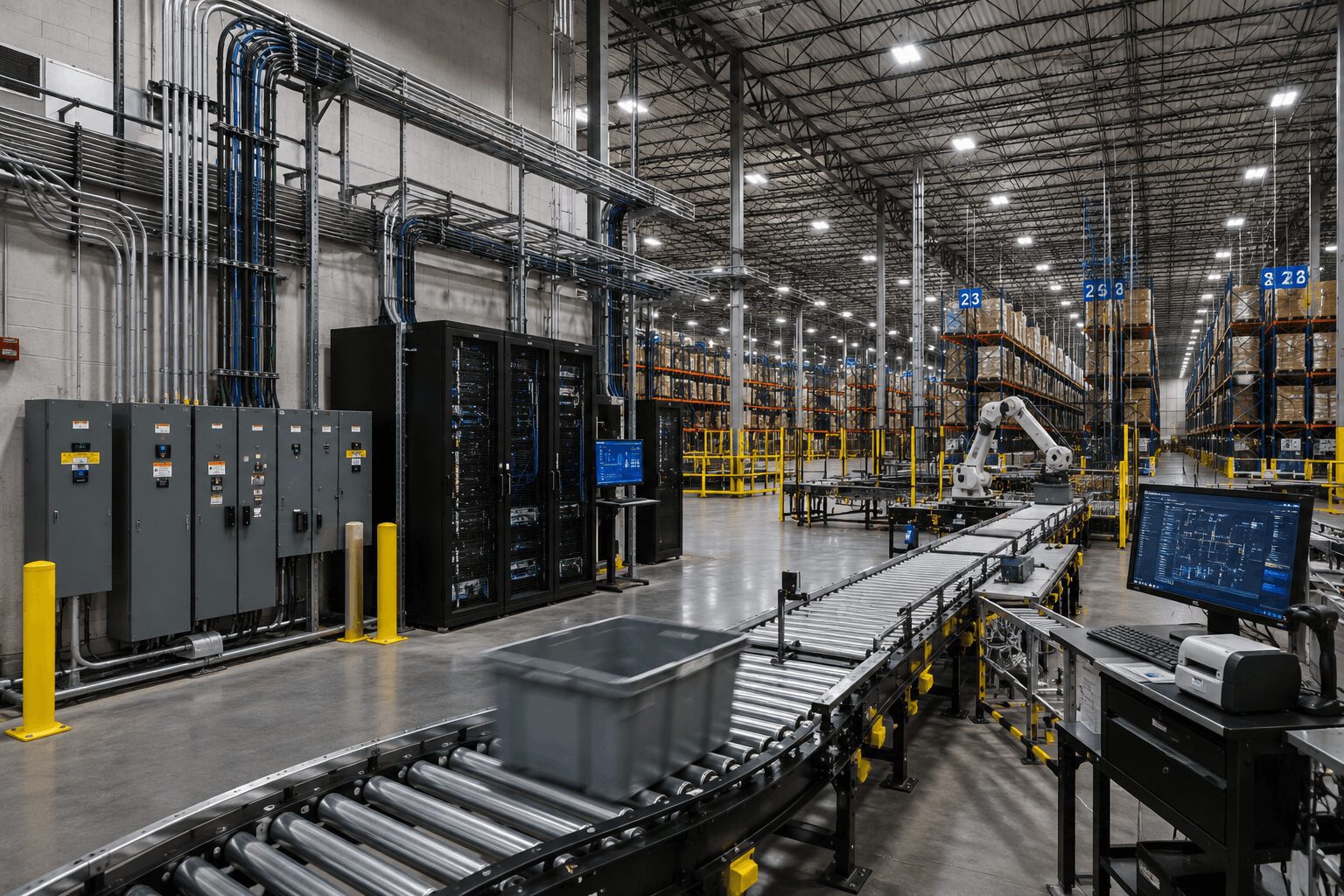
[vc_row css_animation="" row_type="row" use_row_as_full_screen_section="no" type="full_width" angled_section="no" text_align="left" background_image_as_pattern="without_pattern"][vc_column][vc_empty_space height="50px"][vc_column_text]A modern distribution center is no longer simply a large building filled with racks and forklifts. Many facilities now depend on warehouse management systems, automated storage and retrieval, conveyors, robotics, scanners, security networks, charging equipment, data connectivity,...

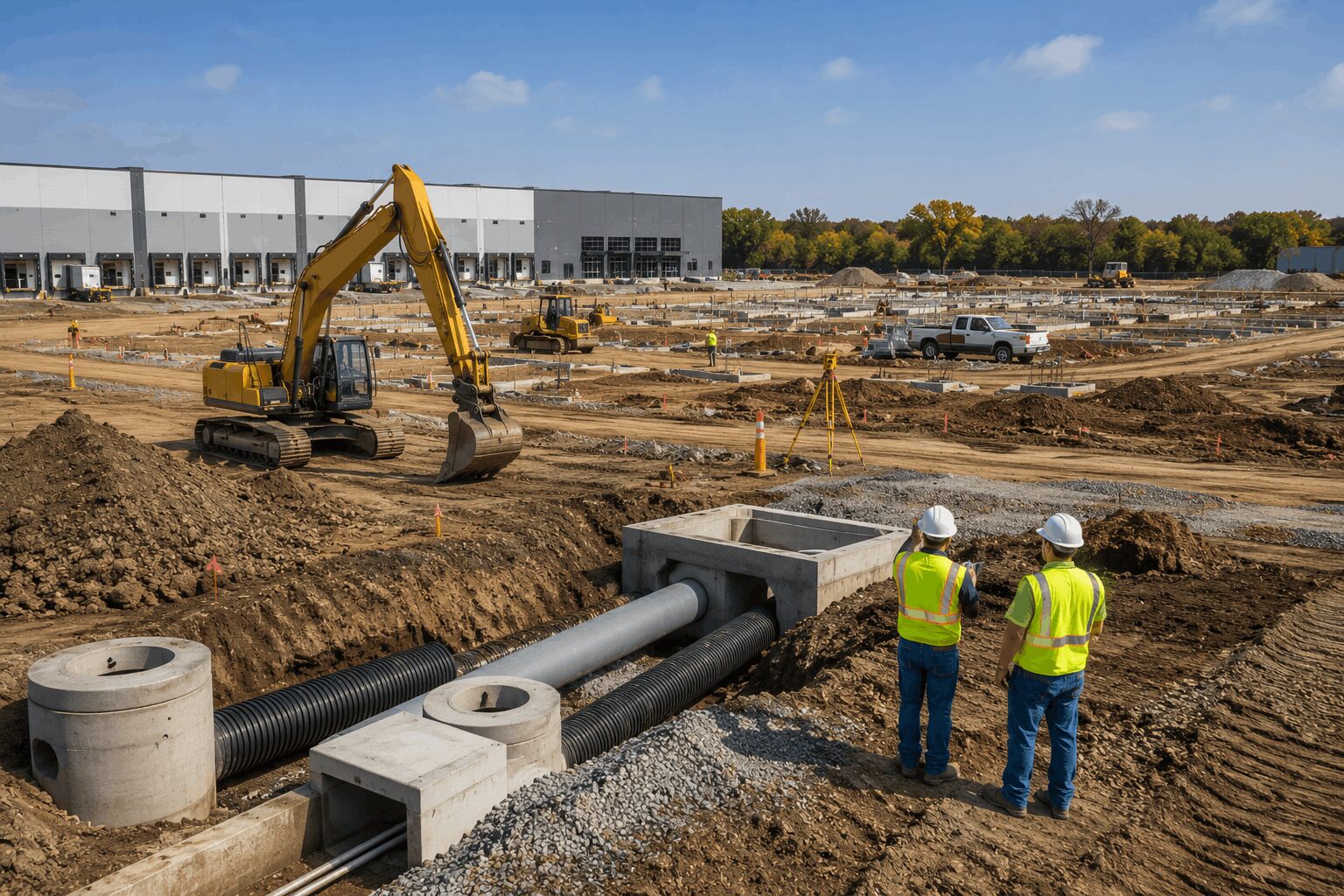
[vc_row css_animation="" row_type="row" use_row_as_full_screen_section="no" type="full_width" angled_section="no" text_align="left" background_image_as_pattern="without_pattern"][vc_column][vc_empty_space height="50px"][vc_column_text]When people picture a new warehouse, manufacturing plant, or distribution center, they usually think about the finished building: the precast walls, loading docks, production areas, storage systems, and modern offices. Yet long before those elements take shape,...