
01 Jun Why Food and Beverage Construction Depends on Early Process Planning
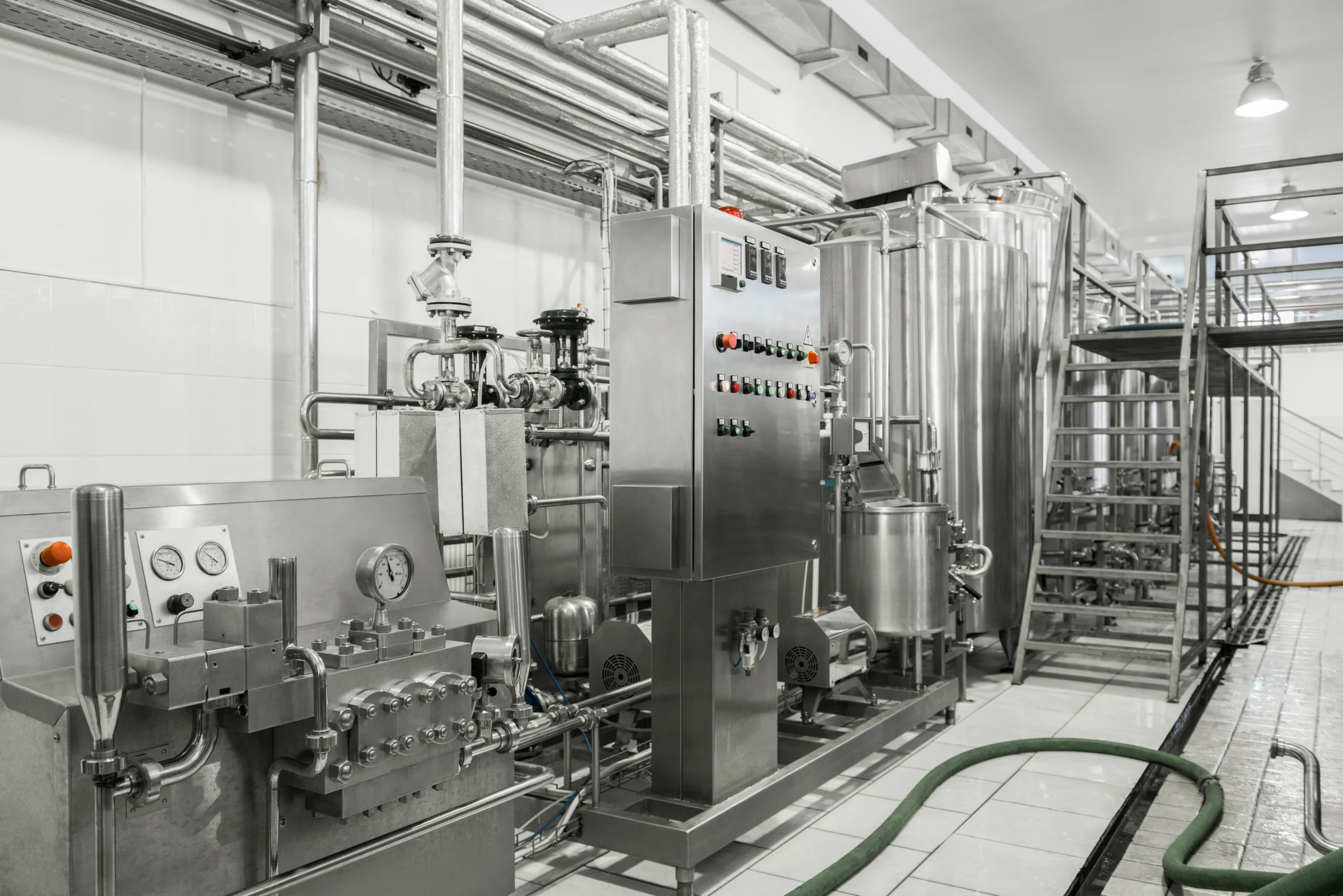
Food and beverage construction is rarely just about building a shell and filling it with equipment later. These facilities are shaped by process, sanitation, temperature control, washdown requirements, utility demands, and regulatory expectations that affect the building from the very beginning. If those realities are brought in too late, the team usually ends up correcting avoidable decisions under pressure.That is why early process planning matters so much. In Q2, many owners are pushing to finalize layouts, lock budgets, and move toward procurement or mobilization. For food and beverage work, this is the point where the project either gets sharper or starts storing up problems for later. The earlier the construction team understands how the facility needs to function, the better the build usually performs. For Keeley, that means looking beyond the structure alone and helping align constructability with the way the facility will actually run once production begins.
The Building Has to Support the Process, Not Fight It
We have seen food and beverage projects where the structure looked efficient on plan, but operations became awkward once production flow was mapped onto the space. Clearances were too tight. Washdown zones affected adjacent areas. Utility routing complicated sanitation. Maintenance access became harder than expected.
This is where the work gets real. A food and beverage facility has to do more than look organized. It has to support how ingredients, personnel, packaging, waste, cleaning, and equipment all move through the building every day. If the building and the process are not aligned, the pain shows up fast after turnover.
Sanitation Requirements Influence More Than Finishes
A lot of teams think about sanitation in terms of materials selection, and that is part of it. But sanitation planning affects much more than wall panels and floor systems. It shapes drainage, slope, equipment spacing, access, penetrations, curbs, and how different parts of the facility are separated from one another. This is one of the biggest mistakes we see. Teams sometimes assume sanitation issues can be solved later through finish upgrades or field adjustments. In reality, many of the most important sanitation decisions are built into the layout and infrastructure long before final finishes go in.
A few areas usually need more attention earlier than expected:
- drainage and floor slope in washdown or wet-process areas
- equipment spacing for sanitation, maintenance, and operator access
- utility routing that does not create cleaning or compliance problems
Utilities and Equipment Need to Be Planned as One System
Food and beverage projects often rely on a heavy mix of process utilities, refrigeration, specialty drainage, water, controls, and power requirements that all intersect with equipment installation. If those pieces are planned in isolation, conflicts start surfacing once the field is already moving.
What matters here is integration. The best food and beverage projects are usually the ones where utility planning, equipment coordination, and building design are treated as one connected system instead of separate tracks. That is what reduces rework and helps protect startup later. It is also where Keeley can help owners bridge the gap between design intent and field execution, especially on facilities where performance standards are high and the margin for error is small.
Startup Readiness Begins During Design and Construction
Owners in this space are usually under pressure to hit production dates, not just substantial completion. That changes the stakes. It means the project team has to think beyond enclosure and installation and keep startup in view much earlier. Facilities that transition more smoothly into operation are usually the ones where process planning guided the build from the start. The team was not just asking, “Can we construct this?” They were asking, “Will this run cleanly once it is live?” That is the difference between a building that is finished and a facility that is truly ready to perform.