01 Mar Smarter Design for High-Performance Logistics Builds
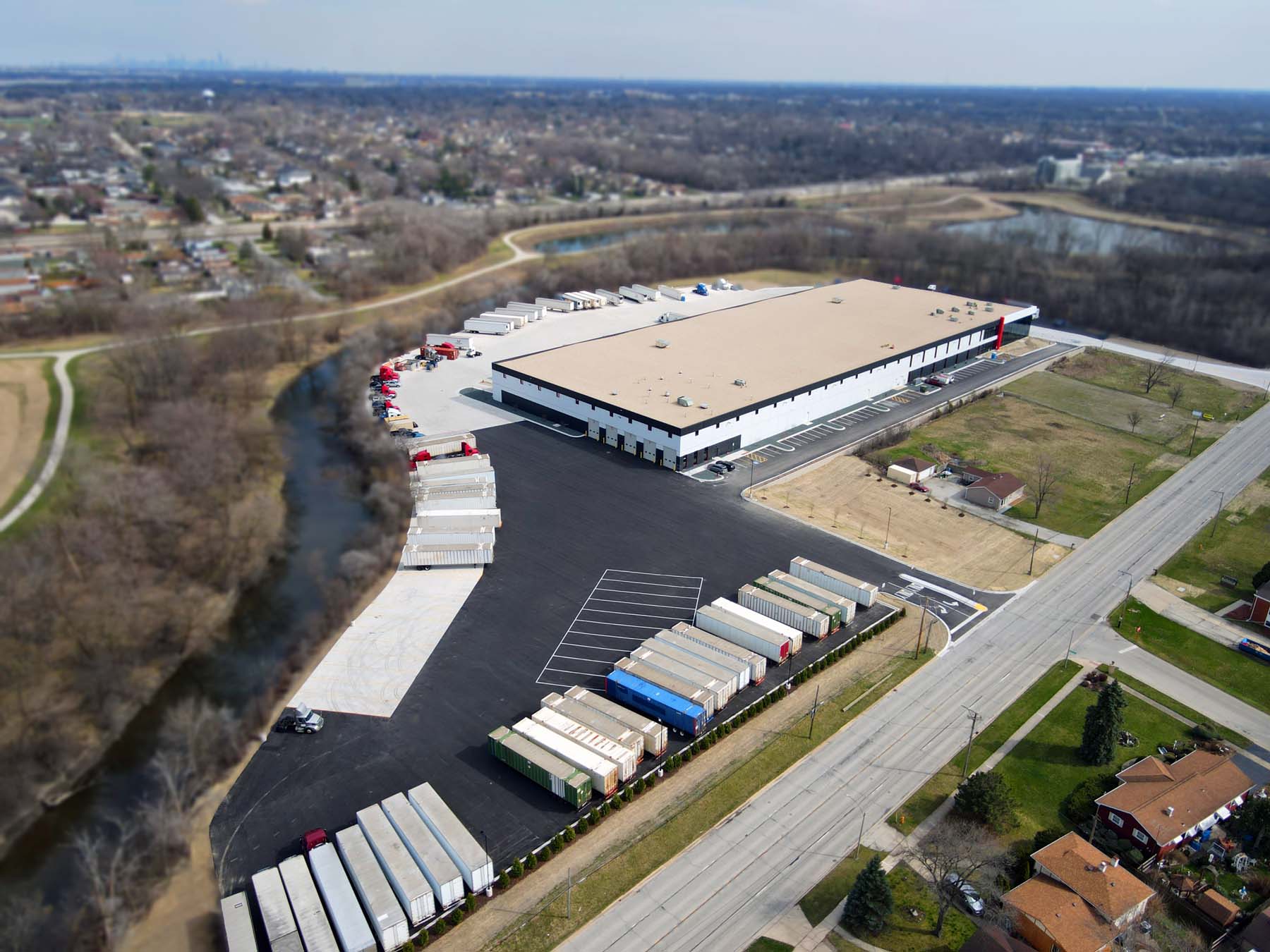
Distribution and logistics facilities have stepped into a new role. They are more than pass-through points. Now, they have to move product faster, organize smarter, and keep people and processes safe while doing it. That takes more than square footage. It takes smart design decisions from the very beginning. When we talk about logistics facility construction, we are looking at more than just steel and slab. Cold storage demands, automation readiness, and harsh Midwest winters all put pressure on how buildings are planned and built. The right design keeps operations efficient today, but it also prepares facilities to scale, adapt, and weather changes down the road.
Start with the Flow: How Layout Impacts Operations
Efficient warehouse flow does not happen by chance. It starts with a plan that supports how people and products actually move. When we layout a logistics building, we begin by looking at the real-life motion inside.
- Wide, open travel paths make it easier for forklifts, carts, and foot traffic to move without conflict.
- Docks need to be placed where they can manage both inbound and outbound flow cleanly, without backups.
- Racking systems should be adjustable so the space stays adaptable as product lines shift or grow.
When layout is an afterthought, wasted steps and tight turns slow down production. A solid flow keeps things moving smoothly, especially in high-demand settings like retail distribution or last-mile delivery. A building that supports a clean flow of people and inventory helps create an environment where productivity and safety go hand in hand. Open travel zones reduce accidents and allow workers to do their jobs more efficiently, while logical racking arrangements simplify inventory management. The right floor plan not only reduces downtime caused by congestion or confusion but helps accommodate changing demand and unexpected volume spikes.
Building for Toughness: Mechanicals, Materials, and Midwest Winters
Winter in the Midwest is not gentle on construction. Between deep freezes, snow loads, and freeze-thaw cycles, every decision (what floor is poured, what walls are insulated, what HVAC is selected) has to stand up to the cold. Reinforced slab specs are key when a facility expects to house racking systems, heavy equipment, or high-volume pallet traffic. Cracked floors or uneven joints cause long-term damage to both product and process.
In cold storage zones, insulated metal panels help separate frozen from ambient environments. Coupled with the right vapor barriers and air seals, they help with temperature stability and avoid frost buildup that slows operations. On top of that, HVAC and mechanical systems need smart zoning to keep staff warm in chilled buildings and manage airflow in areas where food or sensitive goods are stored. Everything needs to perform through January snow and July heat alike. We have decades of experience building large-scale logistics facilities and industrial cold storage throughout the Chicagoland area, ensuring every specification meets regional weather demands. Choosing the right exterior and interior materials matters for the long haul. Wall assemblies that fight thermal loss protect delicate products and reduce utility costs. Durable flooring resists the grinding, repeated pressure of machinery and pallet jacks. Even structural steel selections play a part in resisting the movement of expansion and contraction caused by quickly shifting temperatures. Each design detail helps to prevent downtime and extend the life of the building.
Safety and Compliance from the Ground Up
Safety is not one checklist at the end. It starts before ground breaks and needs to live in every piece of the build. When we design, we make sure the layout supports worker visibility and line of sight to reduce accident points. Material choices matter too. In areas where sanitation matters, like refrigerated goods or prepared food shipments, we use surface finishes that resist bacteria growth and are easy to clean. Smooth transitions between floor and wall make deep cleaning more manageable.
We also rely on ISN compliance to keep jobsite safety practices transparent and trackable. That includes bilingual training and standardized communication to limit confusion, especially when multiple trades work side-by-side. A zero-incident mindset is not just about checking boxes. It is about keeping every crew member safe, every shift. Our preconstruction process includes risk analysis, code review, and phased scheduling to identify and mitigate safety and compliance challenges early. In practice, this means safety planning is built into every step, from initial layout discussions to choosing details like handrails, protective barriers, and lighting. It creates a jobsite where all trades are prepared and every possible incident is anticipated before anyone goes to work.
We’ve learned firsthand that safety goes hand in hand with compliance. Being consistent helps prevent accidents and keeps operations in line with industry standards and local codes. Training programs and standardized site signage reduce miscommunication, particularly in busy or multilingual environments. By preventing confusion and preparing for known risks, safety is not just an afterthought but an ongoing part of daily operations. A warehouse that supports safe working practices is a warehouse that can function at its best.
Speed-to-Market with Future-Ready Infrastructure
Production windows are tight. Logistics facilities are expected to come online faster than ever. That puts even more weight on smart design decisions up front. We plan for what is needed now and what might be needed soon. For example:
- Flexible space sizes for automation or robotics.
- Power capacity that leaves room for new lines or cold storage adds.
- Wired infrastructure that supports tracking systems and smart inventory.
Having that kind of foresight built into the electrical, mechanical, and structural design makes scaling less painful later on. Speed-to-market is just part of the puzzle. It is not only about being quick. It is about designing so the building does not have to be redone months down the line. Anticipating operational changes is part of building future-ready infrastructure. By choosing structural systems, electrical layouts, and mechanical designs that can adapt to new automation or expanded cold storage, owners can avoid disruptive renovations. Planning for additional equipment, integrating more robust data cabling, and allowing enough clearance heights for changing inventory needs all contribute to a facility’s ability to adapt without sacrificing speed or safety.
A forward-looking approach ensures the facility maintains its value and usefulness as the business and the industry continue to change. Technologies, processes, and consumer demands will shift, so preparing each area of the building for tomorrow means a facility can accommodate whatever comes next. This way, expansions or upgrades can happen seamlessly, without major disruption to ongoing operations.
Built with Purpose, Built to Perform
Strong logistics facility construction does not happen with guesswork. It happens when every detail supports speed, safety, and future change. In a region like the Midwest, where weather shifts fast and project timelines do not wait, the right plan makes the difference. When we build with long-term performance in mind, we are not just building walls. We are making sure space, systems, and staff all work together from day one. That kind of thinking protects your operations, keeps your people supported, and keeps supply chains moving when it matters most.
Performance in logistics facilities is not fixed; it is always being tested by new supply chain demands, challenging weather, staffing shifts, and technological advances. By building spaces that are durable and flexible, companies sidestep many of the pitfalls that lead to delays, product loss, or safety events. Every detail, from the layout to the finishes and the sequencing of trades, contributes to the end goal of keeping your business moving efficiently even during challenging times. The longer a building can perform, the more successful and reliable your facility becomes.
Your Partner for Smart Logistics Builds
We are a trusted partner for Fortune 1000 companies in manufacturing, food & beverage, and warehouse distribution across Chicago, delivering mission-critical facilities with a proven track record of timely, cost-effective project delivery. Our approach to planning integrates smart layouts, cold-weather resilience, and future-ready systems without missing a step on compliance or safety. Whether the need is automation-ready floors or bacteria-resistant surfaces, we focus on long-term performance that keeps people and product moving. Planning a new build or an expansion? Our approach to logistics facility construction is built to meet the challenge. Contact us to start planning your next project.