
15 Apr Why Early Utility Coordination Matters on Mission Critical Projects
Mission critical projects rarely lose time because of one dramatic failure. More often, schedules start slipping when utility coordination is treated like a late-stage item instead of a front-end priority. The building may be designed well, the structure may be moving, and procurement may be on track, but if power, cooling, water, and tie-ins are not aligned early, the whole project starts carrying hidden risk.That matters even more in Q2, when many teams are trying to move from planning into active execution. This is usually the point where assumptions get tested. What looked straightforward during concepting becomes much more complex once live systems, shutdown windows, utility providers, and equipment lead times all have to line up in the real world.
Utility Coordination Starts Before the Equipment Arrives
We have seen teams focus heavily on major equipment packages while underestimating the infrastructure that makes those systems function. Switchgear, cooling equipment, water infrastructure, and redundant feeds do not operate in isolation. They depend on routes, clearances, sequencing, approvals, and real site conditions.
That is where early coordination pays off. It gives the team time to identify conflicts before they become field problems. It also helps owners make smarter decisions sooner, instead of making expensive ones later under schedule pressure.
Live Conditions Change the Conversation
Mission critical work often happens in environments where uptime is not negotiable. In those settings, utility coordination is not just a design exercise. It becomes an operations issue. Existing infrastructure may need to stay active while new systems are installed. Shutdown windows may be narrow. Access may be limited. The order of work matters more than people expect.
This is where projects usually separate into two categories: the ones that move with discipline, and the ones that spend weeks reacting. The mistake we see most often is assuming the field can “figure it out” once the main systems arrive. By then, the room for adjustment is usually gone.
Redundancy Has to Be Buildable, Not Just Specified
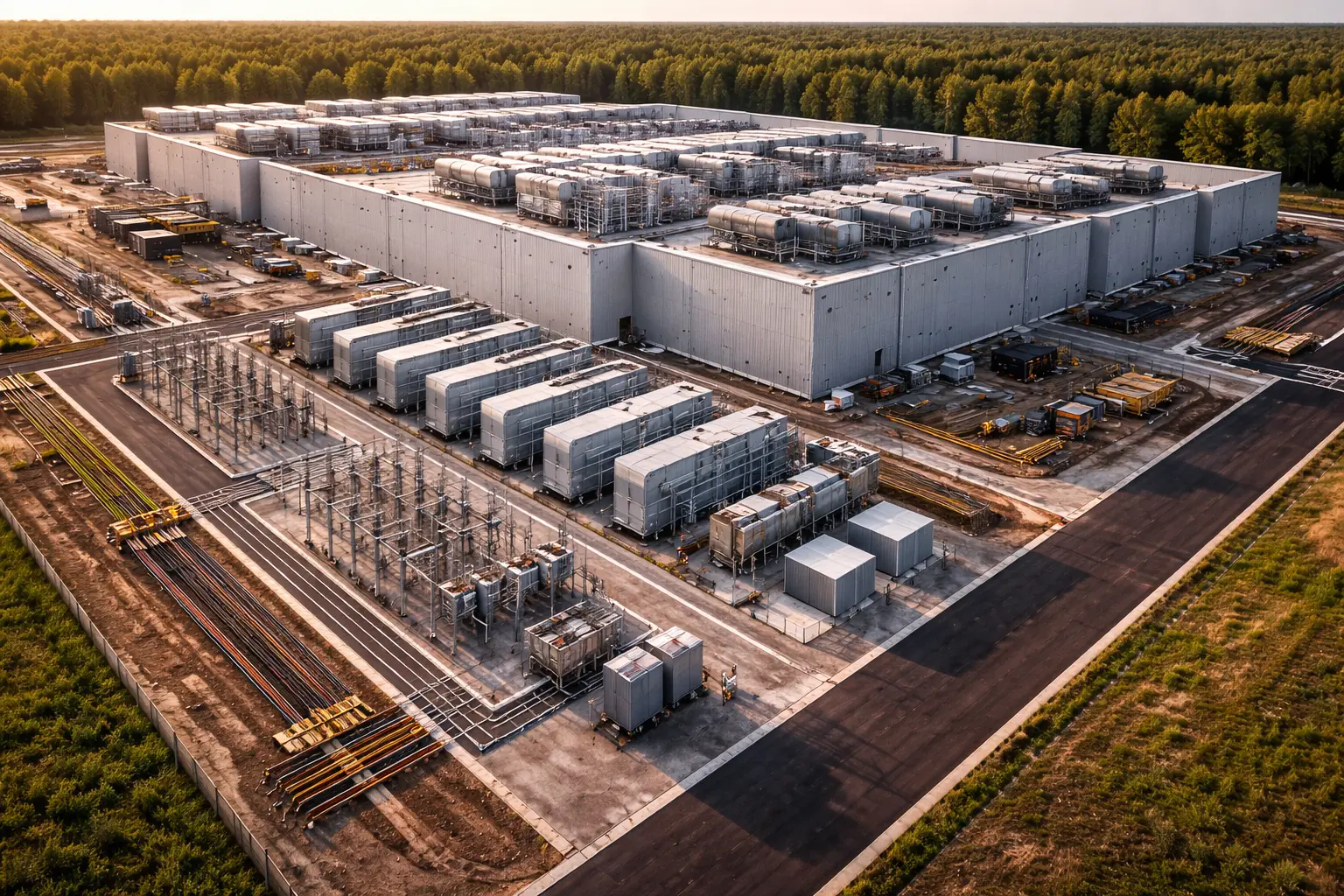
On paper, redundancy sounds clean. In the field, it has to be routed, installed, protected, tested, and coordinated without disrupting other critical scopes. That includes utility corridors, substations, cooling infrastructure, backup systems, and tie-ins that all have to function together as one reliable operating environment.
A resilient design only works if the installation plan supports it. That means the team needs enough front-end clarity to build the system the way it was intended, not just approximate it under pressure.
Better Coordination Creates Better Turnover
Owners do not just need a completed facility. They need a facility that starts up cleanly, performs as expected, and does not create immediate operational headaches. Projects with strong early coordination usually hand over better because systems were thought through in sequence, not assembled in fragments.
That is what owners remember. Not whether one early coordination meeting felt tedious, but whether the facility came online with fewer surprises.
Mission critical projects depend on infrastructure that has to perform from day one. Early utility coordination protects more than the schedule. It protects startup, testing, turnover, and long-term confidence in the facility. When teams address utility pathways, live tie-ins, redundancy, and sequencing early, they give the project a much better chance of moving steadily all the way through closeout. On complex projects, that is rarely a small advantage.