
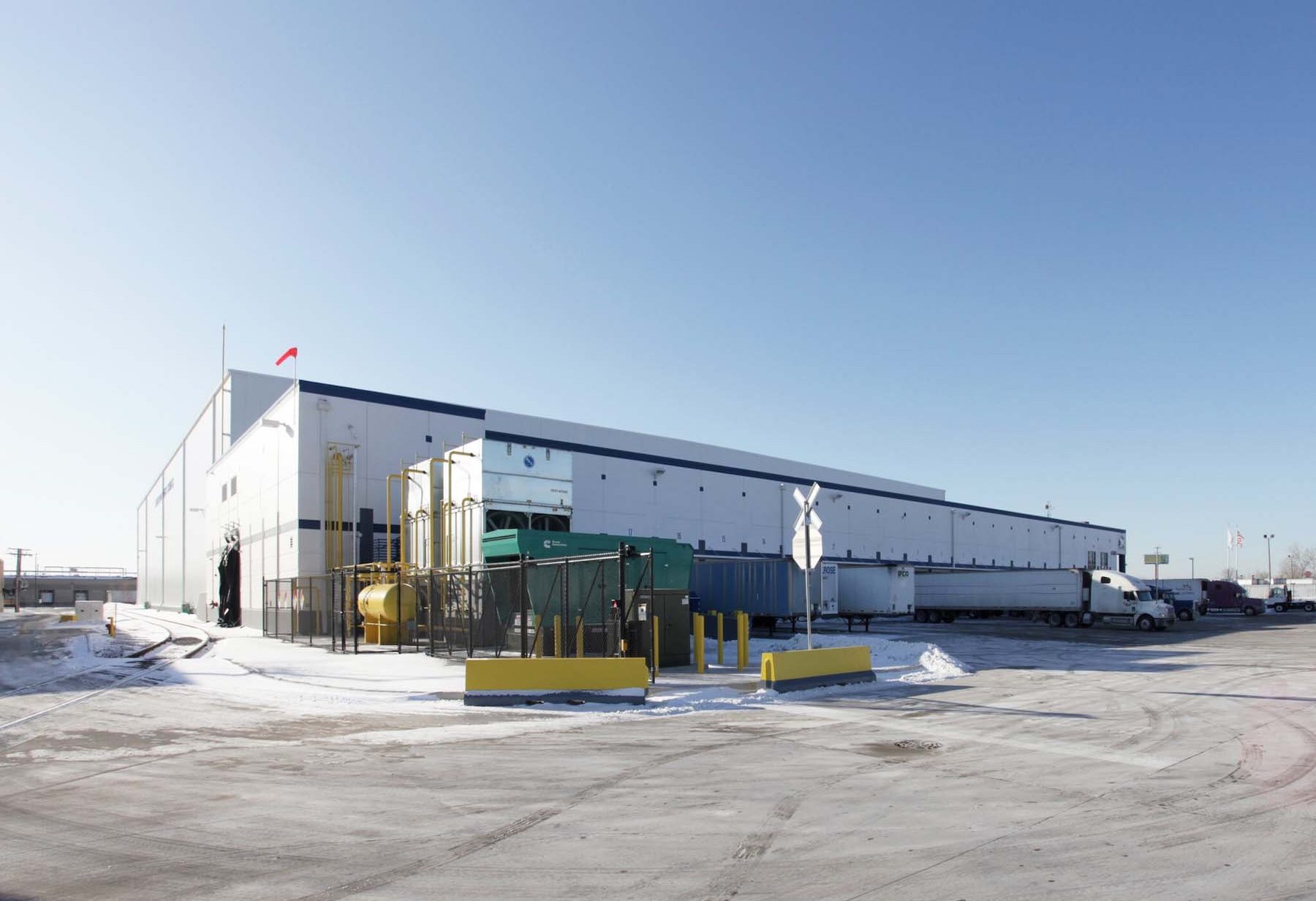
15 Mar Cold Storage Planning for Safe, Efficient Food Facilities
Cold storage zones play a critical role in protecting food products from the moment they enter a facility until they ship out. These spaces don’t operate on their own. They connect directly to production lines, sanitation routines, and regulatory compliance across the entire plant. Planning cold storage isn’t just about choosing a cooler or freezer. It requires thinking through how that environment supports everything around it, from workflow to maintenance to long-term performance.
As facilities move into early spring across the Midwest, this planning becomes especially important. Seasonal transitions bring temperature swings, changing humidity, and increased system demand as plants prepare for higher production volumes. Materials, utilities, and mechanical systems all start to show their limits during this shoulder season. Working with an experienced cold storage construction contractor early helps identify and address risks before they show up in the field, when fixes are more expensive and disruptive.
Planning Around Operations and Workflow
Effective cold storage design starts with understanding how product moves through the facility. Cold zones should be positioned to minimize travel time between receiving, processing, storage, and shipping. Reducing unnecessary movement protects temperature control, improves efficiency, and lowers handling risks. Workflow planning also plays a major role in food safety. Traffic patterns need to be clearly defined so raw and finished products remain separated at every stage. Forklift routes, pedestrian paths, and material flow must be mapped early to prevent cross-contamination and congestion. Cold storage access points should support quick handoffs without forcing doors to stay open longer than necessary, which can compromise temperature stability.
Connections to processing lines need to be close and direct. These transitions influence door placement, wall construction, and the need for air curtains or thermal barriers. Addressing these details early allows the cold zone to support production rather than slow it down once operations are live.
Choosing the Right Materials for Cold Storage
Cold rooms operate in some of the most demanding interior conditions in a food facility. Condensation, frequent washdowns, and constant temperature changes place continuous stress on walls, floors, and ceilings. Material selection in these environments is not optional; it directly affects sanitation, durability, and long-term maintenance costs. Insulated metal panels are commonly used in cold storage areas because they resist moisture intrusion and perform well under repeated cleaning cycles. Wall and ceiling systems must be easy to seal, compatible with USDA and FDA standards, and able to withstand thermal movement without breaking down. Flooring systems require the same level of scrutiny. They need to tolerate heavy traffic, aggressive sanitation practices, and freeze-thaw cycles without lifting, cracking, or separating.
Seasonal transitions add another layer of complexity. In early spring, exterior temperatures may fluctuate daily while interior refrigeration remains constant. If wall assemblies or insulation systems are not designed correctly, condensation can form inside wall cavities or along ceiling structures. Over time, trapped moisture can lead to corrosion, hygiene concerns, and structural degradation. Selecting materials and assemblies that manage vapor and temperature differentials from the start helps avoid those long-term issues.
Mechanical and Temperature Controls That Perform Year-Round
Cold storage systems must perform reliably in every season, not just during peak summer demand. Refrigeration, controls, and drainage systems all need to function consistently through temperature swings common in early spring. Planning should account for redundancy and access. Backup refrigeration protects product in the event of system failures, especially during overnight operation. Drainage paths must be designed to prevent moisture from pooling or refreezing near doors and thresholds as temperatures fluctuate. Mechanical spaces should be sized and positioned to allow maintenance, repairs, and future upgrades without disrupting production areas.
Modern food facilities also benefit from integrated temperature monitoring and smart controls. Sensors and automation help maintain consistent conditions, reduce energy waste, and provide real-time visibility into cold chain performance. Keeley Construction’s experience delivering food and beverage facilities for large-scale manufacturers allows us to integrate these systems while respecting tight workflow and sanitation requirements.
Building for Safety and Regulatory Compliance
Food safety compliance begins in the planning phase, not at final inspection. Cold storage construction must align with USDA, FDA, and local code requirements from the outset. Design decisions should support sanitation as part of the core structure. Hands-free access points, cleanable corners, properly sloped floors, and durable wall systems all contribute to safer operations. Cold rooms must be designed to resist mold growth, bacterial buildup, and moisture traps, especially in facilities that use deep-cleaning equipment and chemical sanitation.
Beyond physical construction, safety planning should support the people working in the space. Clear signage, defined traffic paths, and bilingual communication help reduce risk in active production environments. Using ISN-certified crews and maintaining strong documentation supports accountability and inspection readiness throughout the build. Our preconstruction process aligns safety planning with regulatory expectations, helping Chicagoland facilities move through city and state inspections with fewer surprises.
Lean Schedules That Support Speed to Market
Cold storage zones often sit on the critical path of a food facility schedule. Delays in these areas can ripple through the entire project, affecting commissioning and product launch timelines. Early coordination around size, mechanical loads, drainage, and material lead times helps keep construction moving once work begins. Our design-build delivery shortens timelines by aligning design decisions with construction realities from day one. Cold storage projects depend on advance planning for doors, panels, refrigeration systems, and slab details. Many components can be prefabricated or staged early to reduce on-site delays.
For Midwest projects targeting summer startup, early spring construction offers strategic advantages. Exterior work is often complete, allowing teams to focus on interior systems, installation, and testing. With careful sequencing, early spring builds can move efficiently toward commissioning while avoiding peak-season bottlenecks.
Cold Storage Built for Long-Term Performance
Cold storage is not a standalone feature. It influences mechanical systems, sanitation practices, energy use, and daily operations across the facility. Small decisions made during planning and construction have lasting impacts on compliance, operating costs, and reliability. By combining detailed preconstruction analysis, integrated design-build services, and years of experience delivering food facilities across the Chicagoland area, we help clients build cold storage environments that perform consistently and pass inspection with confidence. The result is faster commissioning, safer operations, and systems designed to last through changing seasons and production demands.
At Keeley, we plan and build cold storage spaces that support sanitation, temperature control, and workflow from day one. From slab preparation to ceiling panels and mechanical integration, every element is designed to perform in real operating conditions. Choosing the right cold storage construction contractor early reduces risk and sets the foundation for a stronger project overall. If you’re planning a food facility upgrade or expansion this year, we’re ready to help you move forward with clarity and confidence.